
Brand memory
A poster-like visual makes the product easier to remember and recognize.
Section 03
This page explains demand, elasticity, competition, and consumer behavior, then supports those ideas with simple visual evidence for the Adidas Samba market case.
Visual demand board
These campaign-style visuals show why demand is not only about comfort. Samba becomes desirable when customers can imagine it in school, streetwear, product photography, and trend-focused outfits.
Brand memory
A poster-like visual makes the product easier to remember and recognize.

Campus adoption
Back-to-school styling connects Samba with Gen Z daily routines.
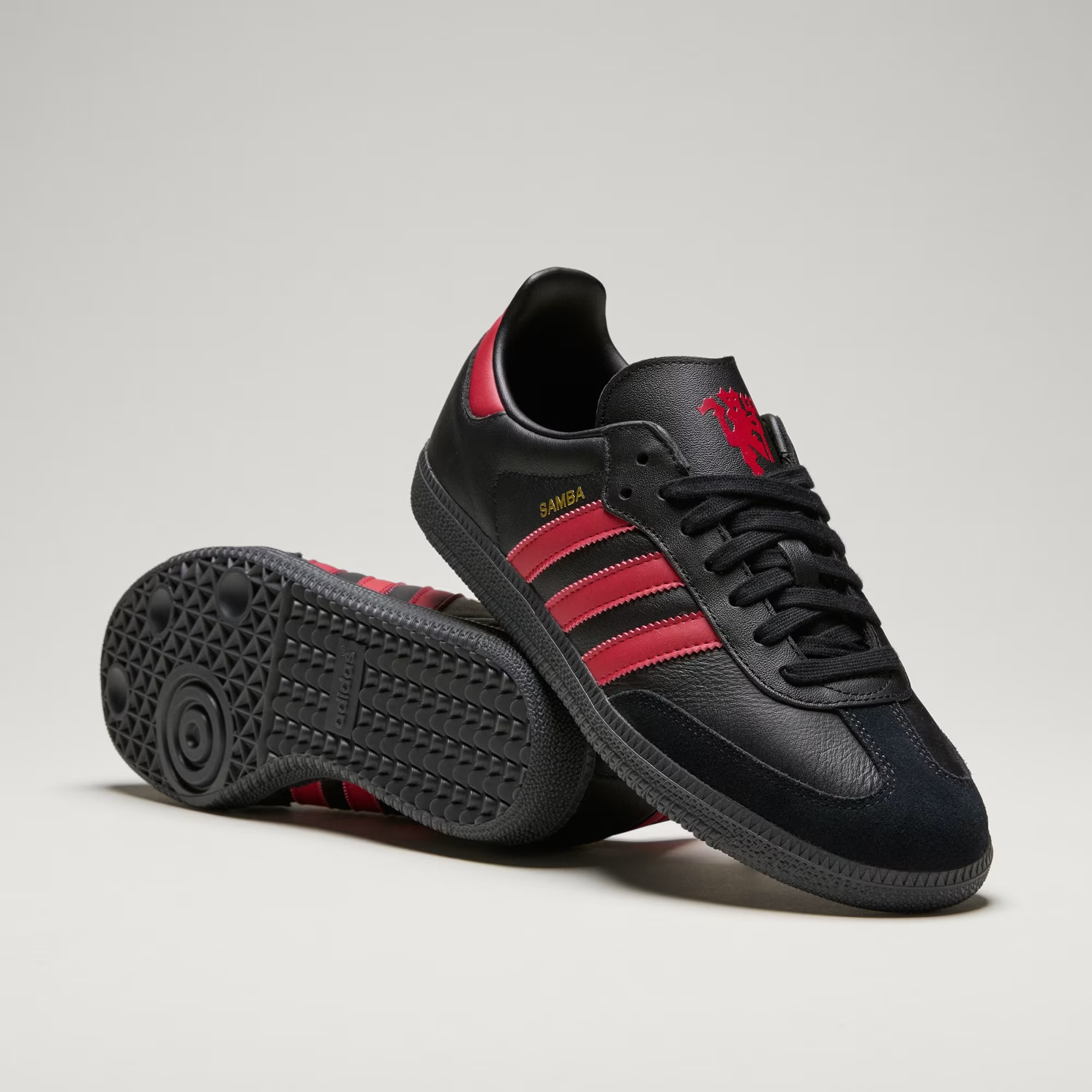
Product proof
Clean product photography reinforces quality and low-profile design.

Heritage cue
Classic styling supports the idea that Samba is timeless, not temporary.
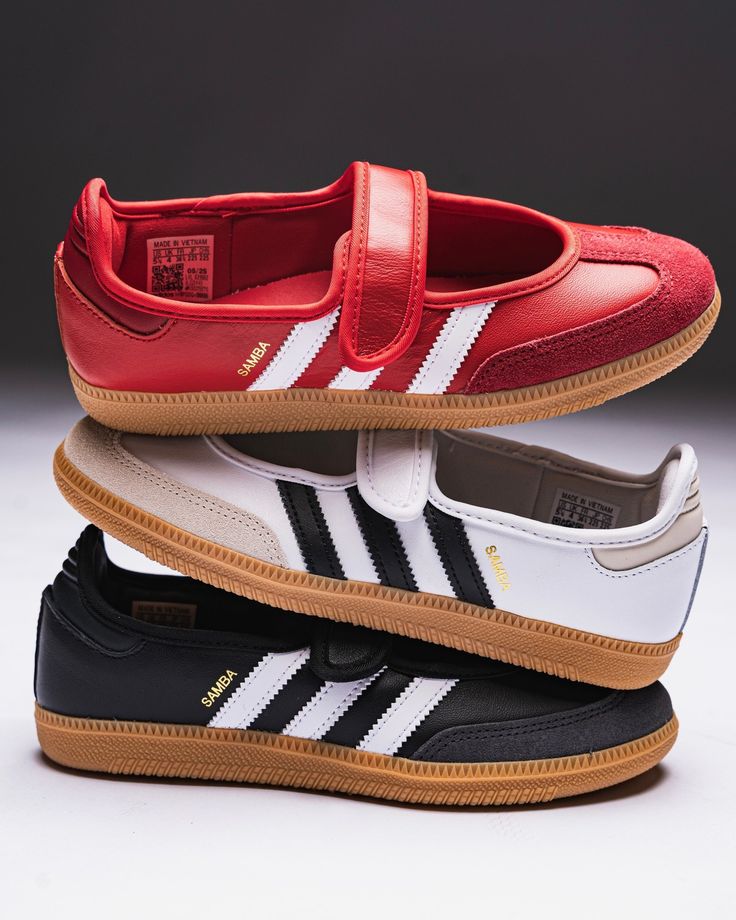
Trend variation
Color and finish variations extend demand into fashion-led segments.
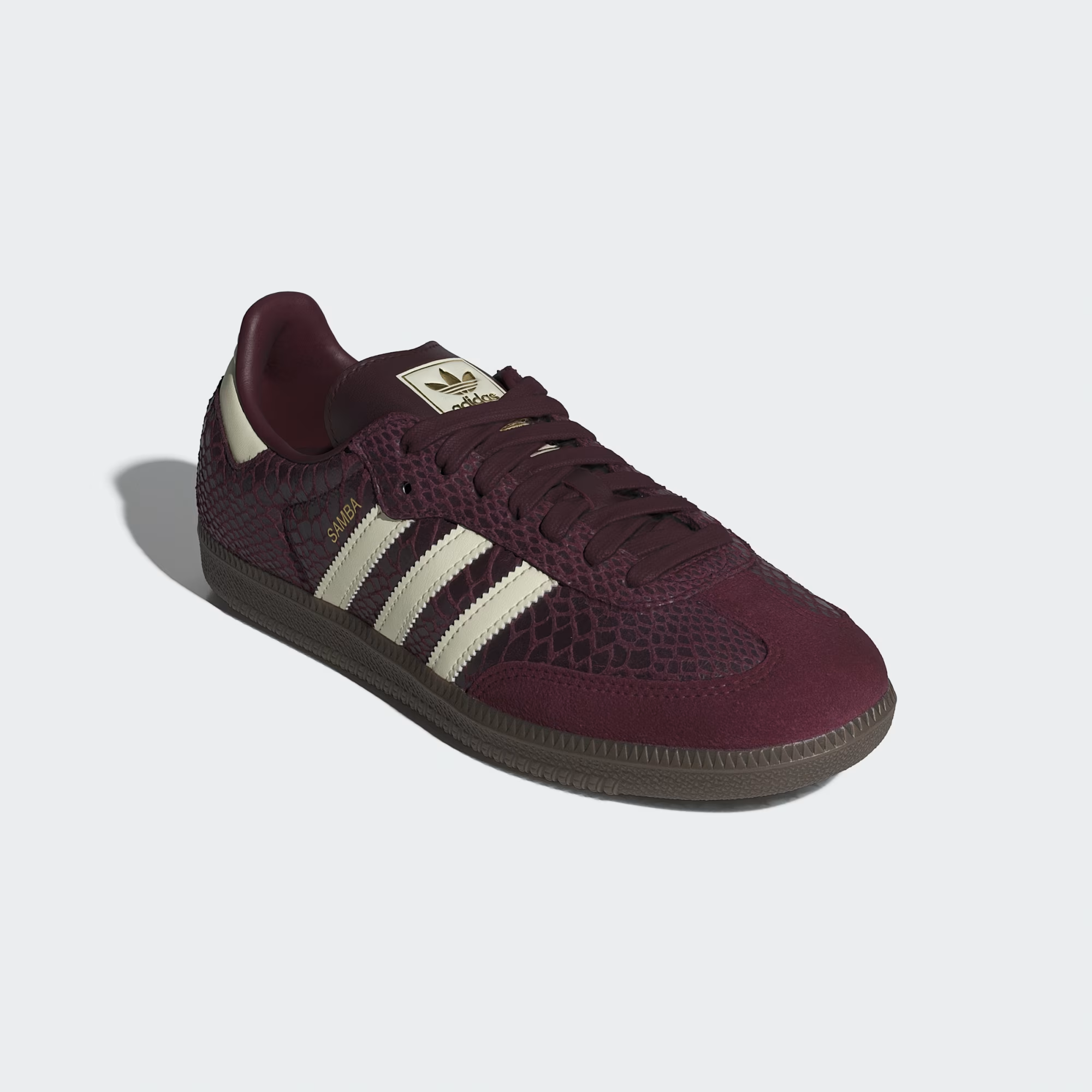
Social validation
Best-seller framing increases perceived safety and purchase confidence.
Microeconomic conditions
Samba demand is shaped by a mix of price, substitute availability, fashion cycles, and identity-based consumer behavior. This makes the product economically interesting because it is practical and symbolic.
3.1 Demand conditions
Demand rises when Samba appears on social media, influencer outfits, and fashion feeds. If newer trendy products become more visible, demand can soften.
3.2 Price elasticity
Consumers have many sneaker alternatives, so price increases can push some buyers toward substitutes. Brand loyalty and differentiation reduce this pressure, but do not remove it.
3.3 Competition level
The sneaker industry includes many brands selling similar lifestyle products, so Adidas competes through fashion, branding, heritage, and consumer perception.
3.4 Consumer behavior
Many consumers buy Samba because they associate it with style, social trends, and symbolic value, not only because of its practical use.
Data visualization focus
Demand elasticity graph
Samba demand is still relatively elastic because substitutes exist, but brand meaning can delay substitution compared with generic sneakers.
Monopolistic competition explanation graph
Many firms coexist, but each competes through differentiated positioning instead of identical products.
Competitor comparison chart
Higher symbolic brand value supports stronger non-price competition and improved margin protection.
The market shows many firms but differentiated products, matching monopolistic competition.
Brand equity and symbolic value reduce substitution speed and increase pricing tolerance.
Influencer and cultural campaigns sustain pricing power beyond pure functional utility.
Conclusion: Adidas Samba fits monopolistic competition because it faces many substitutes, but its differentiated design and cultural meaning give Adidas limited pricing power and stronger non-price competition tools.