High
Perceived symbolic utility
Section 01
This page defines Adidas Samba as the selected product, identifies its target market, and explains why its value proposition is stronger than a generic sneaker alternative.

1.1 Product description
Adidas Samba is recognized by its soft leather upper, suede T-toe overlays, 3-Stripes branding, and signature gum rubber outsole. Its style is low-profile, versatile, and suitable for everyday use.
Adidas presents the Samba as an indoor football classic that now appears in cycling, golf, and streetwear styles.
High
Perceived symbolic utility
Global
Cross-market desirability
Low
Substitution speed under loyal demand
Design evidence
These visuals support the value proposition: customers are buying a practical sneaker, but also a recognizable design language that carries social meaning.
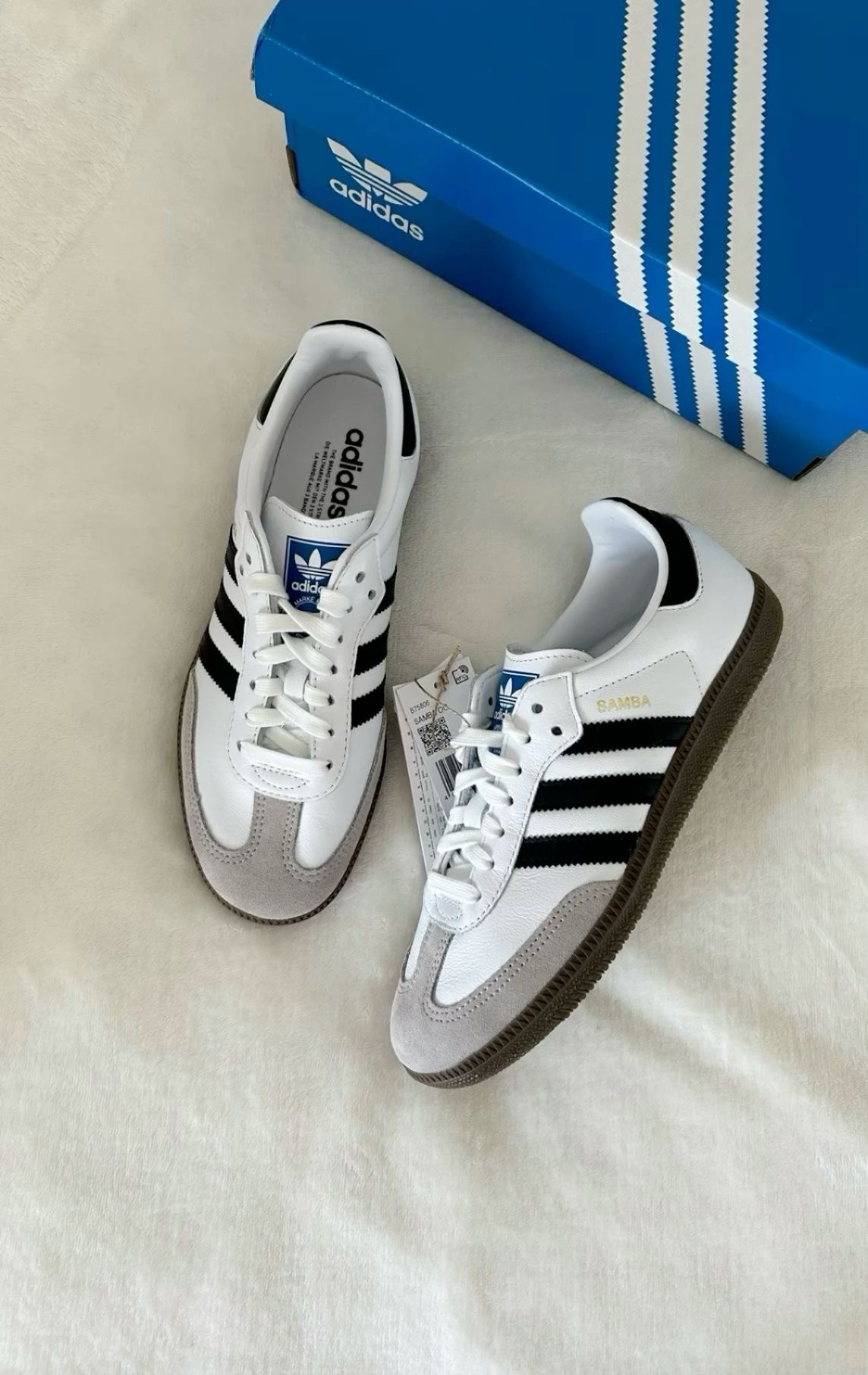
The recognizable front overlay makes the product identifiable even without reading the brand name.

The slim shape keeps the shoe easy to style across casual, school, and streetwear outfits.
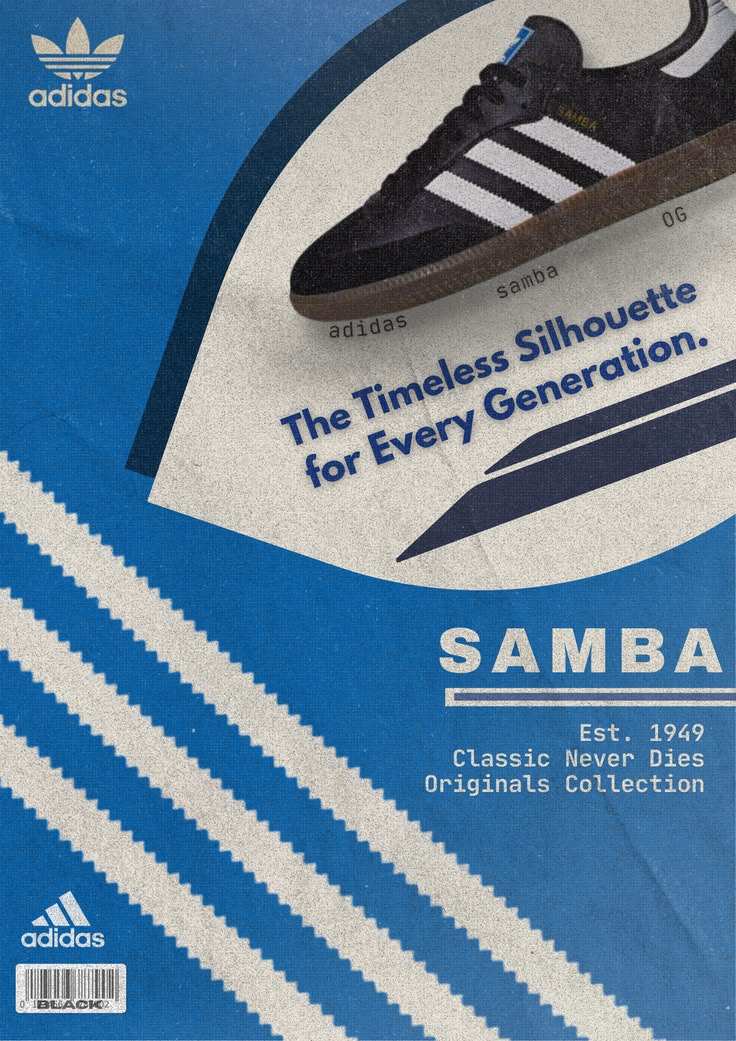
Product popularity becomes a signal of quality and reduces risk for new buyers.
Product identity
In monopolistic competition, small product differences matter because they help buyers recognize, remember, and prefer one brand over another.
A flexible upper gives the shoe a premium daily-wear feel while keeping the silhouette slim.
The T-toe construction is one of the clearest visual signals that separates Samba from substitutes.
Visible brand identity turns the sneaker into both a functional product and a social signal.
The outsole connects the model to its indoor football origin and reinforces its classic look.
1.2 Target market
The strongest customer segments are Gen Z and Millennials, especially urban consumers with middle-to-high disposable income who care about fashion, identity, and brand image.
Primary buyers are ages 15-40 and represent an important share of lifestyle sneaker demand.
City-based customers value the Samba because it works across school, work, social, and streetwear contexts.
The price is reachable but still premium enough to support identity, quality, and trend value.
1.3 Value proposition
Samba offers a rare combination of timeless style, versatility, and slim aesthetics. The product is not only comfortable footwear; it is a simple way for customers to express fashion awareness and brand taste.
The model avoids a short trend cycle by using a clean low-profile design that stays wearable across seasons.
Samba pairs easily with casual, smart-casual, sport-inspired, and fashion-focused outfits.
The slim build feels flexible and practical, which supports repeated everyday use.
Its history in indoor football, cycling, golf, and streetwear gives the shoe meaning beyond basic utility.